Close to the technical problem
Requirements aren't just collected. They're weighed against function, manufacturing, assembly, data quality, and how the result will actually be used.
Miaris Engineering Systems
Behind Miaris Engineering Systems is one engineer who understands the full picture, explains decisions clearly, and builds results for real-world use.
Founder profile · 01
One technical contact from the first conversation to final handover. Short paths keep technical questions from getting lost between roles and responsibilities.
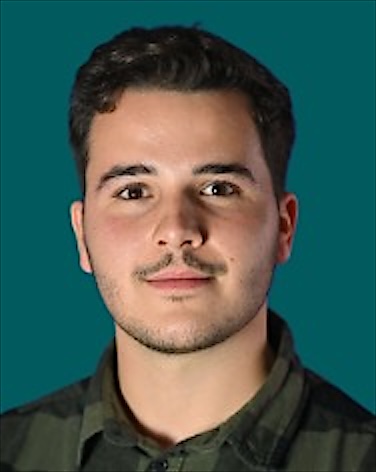
Niko Miaris · Founder
I am Niko Miaris, mechanical engineer and founder of Miaris Engineering Systems. I work where CAD design, engineering validation, automation, and software come together — and I take projects from first concept to handover.
I started out as an industrial mechanic in production technology. That hands-on foundation still shapes my work today: I think through technical solutions not just on paper, but with manufacturing, assembly, data structure, and real-world execution in mind.
Principles · 02
Requirements aren't just collected. They're weighed against function, manufacturing, assembly, data quality, and how the result will actually be used.
Mechanics, data, and digital tools are developed as one. The result stays technically transparent and genuinely usable in daily work.
Short paths, precise questions, and clean handovers speed up decisions and keep effort realistic.
Roots in production technology and shop-floor experience keep concepts from ending on paper — they're designed to be built.
Systems thinking · 03
Good solutions follow a clear line of development. Requirements, interfaces, risks, and future use set the frame before any detail is locked in.
Understand
Goals, usage scenarios, constraints, and critical interfaces are made visible. The result is a shared technical foundation instead of a plain task list.
Structure
Mechanics, manufacturing, software, and operation are designed as one coherent system. That prevents late-stage collisions and keeps variants and extensions under control.
Validate
Reviews, calculations, simulation, and targeted prototypes create reliable decisions within the design process. Assumptions and results stay documented.
Hand over
Models, drawings, BOMs, code, and documentation are structured so your internal team can pick up right where I left off.
Collaboration · 04
Technical responsibility stays with the same person throughout. Questions get answered and decisions get made without unnecessary handoffs.
Short feedback loops keep project status visible — assumptions are tested along the way, not at the end.
Results aren't just presented. They're handed over in a structured form, documented, and ready for the next step.
Personal contact
A short note on your goal, current status, and available data is all it takes to get started.